
Many enter the world of gambling driven by instinct and emotion, often overlooking a critical element that separates casual players from strategic masters: gambling tracking. Without diligently monitoring wins, losses, and patterns, one is essentially navigating a maze blindfolded. It’s like trying to build a house without measuring tools – haphazard and prone to collapse.
But what if you could transform your gambling from a game of chance to a calculated pursuit? The key lies in harnessing the power of data. By meticulously tracking your progress, you gain invaluable insights into your strengths, weaknesses, and overall performance. Consider this introduction as the start of your transformation, turning gambling from a game of chance into a strategic persuit. Readers will be guided through a path to cultivate a competitive edge, steering clear of common errors. This guidance is based on insights from observing independent gambling experiences.
Readers, prepare to embark on a journey towards informed gambling. Discover actionable steps and unlock valuable insights that will empower you to make smarter decisions, optimize your strategies, and ultimately, increase your chances of success.
Why Track Your Gambling? Unveiling the Benefits
Gambling, while potentially entertaining, carries inherent risks. Without diligent tracking, one can easily fall prey to emotional decision-making, clouding judgment and leading to impulsive bets detached from sound strategy. The true extent of both wins and, more critically, losses, can remain shrouded, hindering necessary adjustments in approach. This lack of awareness often stems from in-the-moment excitement, which then blurs the lines between calculated risk and reckless behavior. It’s easy to get caught up, and before you realize it, you’re digging a hole deeper than you intended.
However, implementing a system for tracking wagers transforms gambling from a hazy pastime into a more controlled and understandable activity. First and foremost, tracking cultivates improved awareness. Each bet, win, and loss becomes a data point, contributing to a clearer understanding of actual performance, not just perceived success. This objective assessment allows for a realistic evaluation of whether one’s strategies are truly effective. Patterns start to emerge, revealing potentially profitable areas of focus, as well as those best avoided. By identifying personal biases and tendencies, one can consciously work to mitigate their negative impact on decisions. Ultimately, tracking empowers a sense of control, fostering responsible habits and preventing gambling from spiraling into problematic territory. For instance, keeping a record helped me realize I was far more successful with certain kinds of bets, prompting me to shift my focus and refine my tactics for those areas. This enhanced awareness allowed me to approach gambling more mindfully and sustainably.
Choosing Your Tracking Method: Tools and Techniques
Embarking on the journey of responsible gambling involves understanding where your money goes, and that’s where tracking comes in handy. Luckily, there are multiple ways to keep tabs on your gambling activities, and each comes with its own set of perks and quirks.
Gambling Spreadsheets: Think Google Sheets or Excel. These are your blank canvases, offering incredible flexibility. You can tailor them to track anything from stakes and winnings to the type of game and even your emotional state while playing. On the downside, they require manual data entry, which can be a chore, and you are responsible for keeping your data secure.
Dedicated Gambling Apps: If you crave automation, dive into the world of gambling tracking apps. Many apps offer features like automatic data entry from some online platforms, insightful reports, and even visual charts to help you spot trends. However, these apps might come with subscription fees, and you’re entrusting your data to a third-party.
The Gambling Journal: For those who appreciate the tactile feel of pen on paper, a simple notebook can work wonders. Jot down your bets, wins, losses, and any observations you have. It’s straightforward and doesn’t rely on technology. But, analyzing the data can be time-consuming, and losing the journal means losing your records.
The best tracking tool depends on your personality and needs. If you’re just starting, gambling spreadsheets are a good place to start because they offer a balance of simplicity and customizability. Whatever you choose, consistency is key.

What Data to Track: Key Metrics for Different Gambling Types
The world of gambling thrives on chance, but successful gamblers know that understanding the numbers behind the games is essential. Tracking the right data points, tailored to the specific type of gambling you engage in, can transform your approach from a casual pastime to a calculated pursuit.
Sports Betting
In sports betting, precision is paramount. Don’t just track wins and losses; delve deeper. Crucial data points include the bet type (e.g., moneyline, spread, over/under), the odds offered, the stake amount, and the eventual outcome. Critically, document the reasoning behind each bet. Was it based on statistical analysis, gut feeling, or expert opinion? Analyzing this information over time reveals biases and areas for improvement. For instance, you might discover a knack for predicting underdog victories or a tendency to overestimate home-team advantage. This level of detail provides tangible insights that can refine your future betting strategies.
Casino Games
Casino games present a different data landscape. Track the stake per bet, the specific game played (e.g., blackjack, roulette, slots), the session length, and the overall outcome (profit or loss). Not all casino games are the same. Data Collection helps to identify which games align with your skills and risk tolerance. Monitoring session length is vital; fatigue can lead to poor decisions. By analyzing your casino game data, you can identify patterns in your play and gain an awareness of when to stop.
Poker
Poker demands meticulous record-keeping. Track the buy-in amount, the stakes of the game, the session length, your profit or loss, and, most importantly, notes on your opponents. Observing and documenting playing styles unlocks a strategic advantages. Are they aggressive bluffers? Tight and passive players? Knowing your opponents improve real-time decision-making. Reviewing hand histories and your own tendencies allows for continuous improvement.
Regardless of the game, accurate data collection is non-negotiable. Use spreadsheets, dedicated tracking apps, or even a simple notebook to diligently record your gambling activities. Consistent tracking provides the foundation for informed decisions, helping you navigate the thrilling, unpredictable world of gambling.
Building Your Tracking System: A Step-by-Step Guide
Creating a personalized tracking system is crucial for gamblers aiming to refine their strategies and boost their outcomes. This detailed guide provides a step-by-step approach to building a tracking system tailored to your specific gambling style and objectives.
Step 1: Define Your Gambling Goals
Begin by establishing clear, measurable gambling goals. What do you want to achieve? Examples include improving ROI in sports betting, minimizing losses in blackjack, or understanding your performance patterns in poker. Knowing your goals will dictate what data you need to track.
Step 2: Choose Your Tracking Method
Select a tracking method that aligns with your comfort level and the complexity of your gambling activities. Options range from simple spreadsheets to specialized gambling tracking apps. Consider factors like accessibility, ease of use, and reporting capabilities. Each method has its own strengths, so choose the one that best fits your needs.
Step 3: Define Your Data Points
Based on your gambling goals and chosen method, determine the specific data points you’ll track. Key data points might include bet size, odds, game type, outcome (win/loss), profit/loss, time of day, and platform used. The more detailed your data, the more insights you can glean.
Step 4: Set Up Your System
Whether you’re using a spreadsheet or a dedicated app, set up your tracking tool to capture your chosen data points. For spreadsheets, create columns for each data point. For apps, customize the settings to reflect your specific gambling activities. Many resources offer templates for tracking systems that you can adjust to yourself.
Step 5: Regular Updates and Maintenance
Commit to consistently updating your tracking system with every gambling session. This discipline is essential for accurate data and reliable insights. Regularly review your data to identify trends, strengths, and weaknesses. Use these insights to adjust your gambling strategies and refine your tracking system over time and ensure your personalized tracking.
Analyzing Your Gambling Data: Identifying Patterns and Insights
Diving into your gambling data can feel like decoding a secret language, but the rewards are well worth the effort. By applying simple data analysis techniques, you can transform raw numbers into actionable insights, revealing hidden strengths, exposing costly weaknesses, and ultimately, paving the way for smarter, more profitable decisions.
First things first, calculating Key Performance Indicators (KPIs) is essential. Think of these as your personal gambling scorecards. Start with Return on Investment (ROI): what percentage of your total bets are you getting back as profit? A simple calculation: (Net Profit / Total Investment) x 100. Next, consider your win rate – the percentage of bets you win. And finally, your profit margin – how much profit you’re making on each winning bet. These metrics provide a baseline understanding of your overall performance.
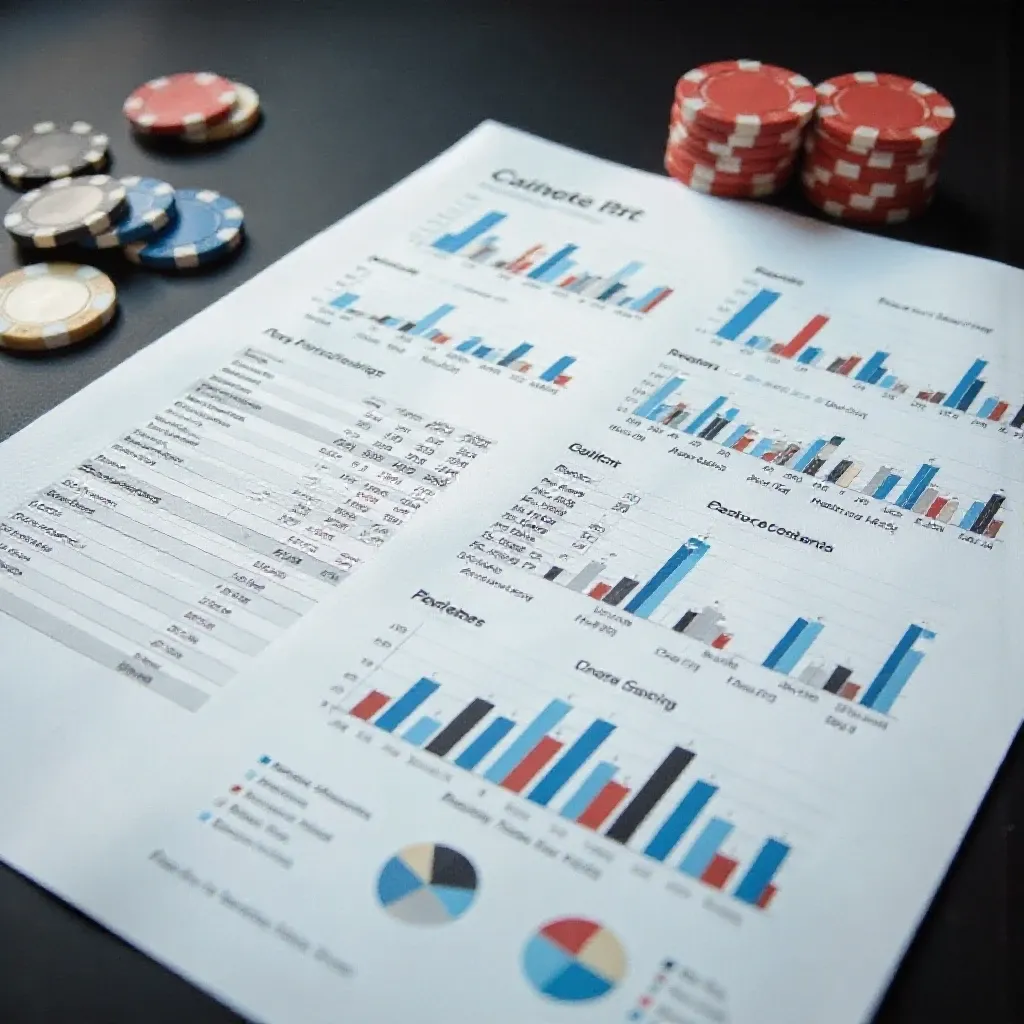
Data visualization is your friend! Forget staring blankly at spreadsheets. Bar graphs can easily compare winnings across different bet types. Line graphs can track your profit or loss over time, revealing trends and fluctuations. Pie charts can illustrate the distribution of your bets across various games or sports. These visual aids make it easier to spot anomalies and patterns that might otherwise go unnoticed.
Look for repeating patterns. Do you consistently win more on weekends? Are certain types of bets always losers? Perhaps you have a lucky charm for specific sporting events? These patterns might indicate areas where you excel or need to adjust your strategy. Be aware of your biases! Maybe you stubbornly stick to a certain strategy despite evidence suggesting it’s not working. Data analysis can help you confront these biases and make more objective decisions.
For example, imagine you discover a higher win rate on football under bets placed on Sundays. An actionable insight: focus more of your football budget on under bets placed on Sundays. Ensuring data integrity is crucial, as is picking the correct statistical tools to help achieve this, and applying best practices to avoid any errors. This analysis allows you to strategically shift your focus and maximize potential profit. By embracing data-driven decision-making, you transform yourself from a casual gambler to a strategic player.
Using Insights to Improve Your Gambling Strategy
Transforming raw data into actionable insights is crucial for elevating your gambling strategy. It’s about moving beyond gut feelings and adopting a more analytical approach to refine your betting criteria, optimize your bankroll management, and ultimately, improve your gambling outcomes.
Strategy Adjustment Based on Data
Data allows one to pinpoint strengths and weaknesses with clarity. For example, after thorough analysis, it might become clear that bets with odds above a certain threshold consistently yield better returns. This insight can be used to focus future efforts, adjusting the strategy to prioritize these more profitable opportunities. Conversely, data might reveal consistent losses in specific bet types. The logical adjustment here is to minimize or eliminate those bet types from your strategy, preventing further erosion of your bankroll.
Refining Betting Criteria
Data provides the foundation for setting very specific and measurable goals which is a crucial step toward improvements. Instead of vaguely aiming to “win more,” you can set a goal like, “Increase ROI on high-odds bets by 5% within the next month.” This specificity allows you to track progress and make further adjustments as needed. Also, acquired information can offer insights into the optimal timing for placing bets, considering factors like game schedules or player form.
Optimizing Bankroll Management
Effective bankroll management is paramount for any serious gambler. By tracking your performance meticulously, you can gain valuable insights into your betting patterns and their impact on your funds. For instance, you could discover that you tend to over-bet when chasing losses, leading to a rapid depletion of your bankroll. Armed with this knowledge, you can implement stricter controls, such as setting daily or weekly betting limits and sticking to them regardless of short-term results. You can also use observed trends to calculate optimal bet sizes. For example, using a fixed percentage of your bankroll for each bet, adjusted based on the perceived risk and potential reward, can help to weather losing streaks and capitalize on winning ones.
However, it’s critical to keep in mind responsible gambling habits and to avoid overconfidence caused by data analysis. Data offers insight, but it cannot completely eliminate luck. Maintain a balanced perspective, set realistic expectations, and always gamble within your means.
Maintaining Consistency: Tips for Long-Term Tracking Success
Tracking consistency is key to unlocking the full potential of your gambling data. It’s not just about recording wins and losses; it’s about building a sustainable habit that provides valuable insights over time. Think of it as nurturing a skill – the more consistently you practice, the better you become.
One of the most effective strategies is to seamlessly incorporate tracking into your existing routine. Set reminders on your phone or dedicate specific times each day or week for data entry. Treat it like any other important appointment or task. Overcoming challenges is also essential. Forgetting to track can be frustrating, but don’t let it derail you. Keep a small notebook with you, or use a mobile app for on-the-go recording. Feeling overwhelmed by the data? Break it down into smaller, more manageable chunks. Focus on one metric at a time, and celebrate small victories. Don’t only focus on losses, focus on progress and celebrate wins.
Avoiding burnout is crucial for long-term tracking success. Take breaks when needed, and don’t be afraid to adjust your tracking system to suit your needs. Remember, the goal is to gain insights and have fun, not to create a stressful chore. Seeking support from gambling communities can also provide valuable motivation and encouragement. Embrace the fun and excitement, and let the data guide you towards more informed and enjoyable experiences.
Conclusion
Tracking gambling progress transforms the experience from a game of chance to a strategic endeavor. The advantages of data-driven insights cannot be overstated as they empower individuals to make smart betting decisions. This approach is a cornerstone of responsible betting, enabling the mitigation of risks effectively. By carefully monitoring wins, losses, and patterns, gamblers can identify their strengths and weaknesses, refining their strategies for more consistent, informed choices.
Independent gambling experiences, when analyzed through the lens of personal data, offer unparalleled opportunities for growth and improvement. It’s time to embrace these strategies and insights, and elevate your approach to gambling. Share your progress and results with tracking – let’s learn and grow together.