
Gambling: is it a game of chance, or can you actually bend luck to your will? We’ve all seen it – the rituals, the lucky charms, the unwavering belief that this time will be different. I remember once watching a guy at a roulette table who insisted on blowing on the ball before each spin, convinced he was influencing its trajectory. The intensity was palpable, the results…well, less so.
The truth is, the line between calculated strategy and wishful thinking in gambling is often blurred. Can you really take control when Dame Fortune is calling the shots? That’s what we’re going to unravel. I’m here to offer an expert perspective, separating gambling fact from fiction. We will explore the psychological factors that drive our perception of control, understand the crucial difference between skill-based games and pure chance, debunk some common gambling myths, and, most importantly, discuss responsible gambling practices. Consider this your guide to navigating the unpredictable world of gambling with your eyes wide open.
Defining Luck and Chance
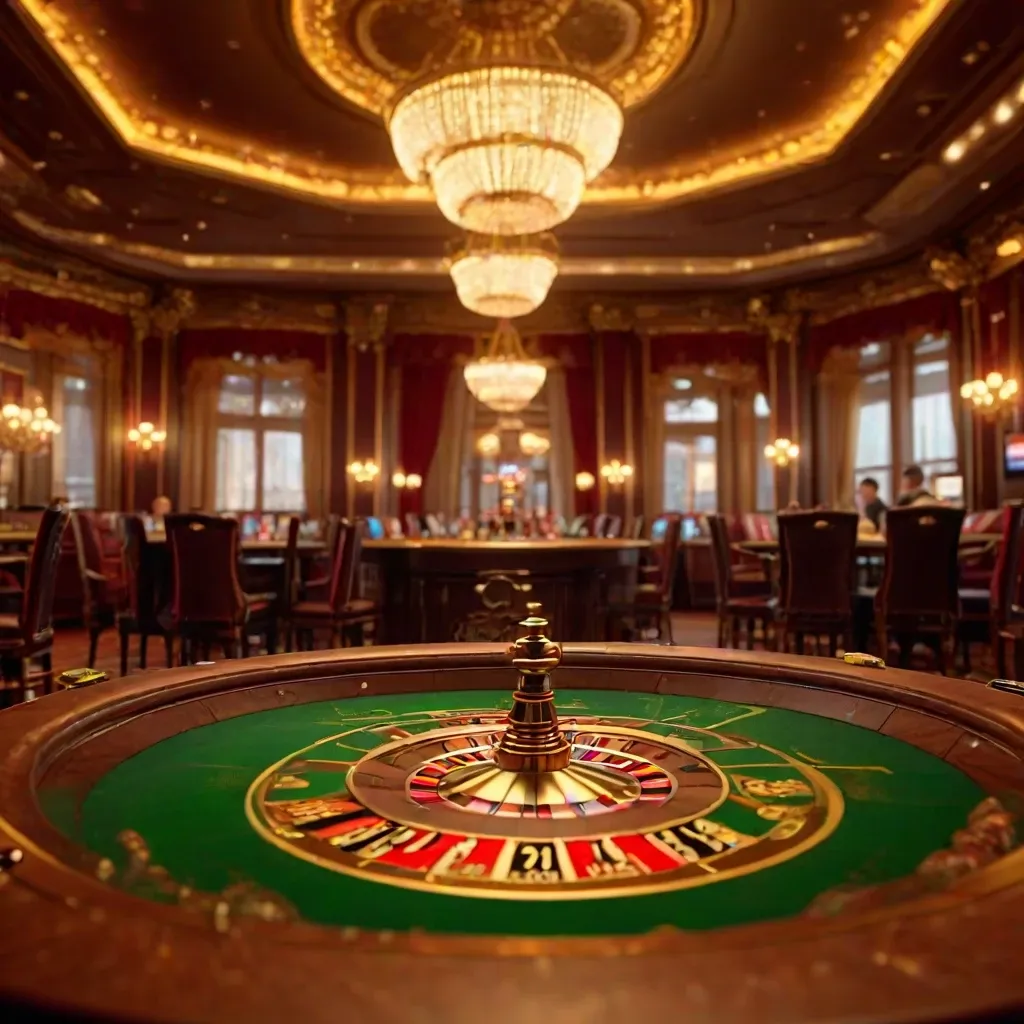
Luck and chance are often used interchangeably, but understanding their nuances is key to perceiving the world accurately. At their core, both involve randomness – events occurring without predictable patterns or intentional control. Mathematically, randomness signifies that each outcome has an equal or statistically defined probability, independent of previous outcomes. Think of a roulette wheel, carefully calibrated to ensure each number has an equal chance of appearing; or a lottery drawing, where each ball is theoretically as likely to be selected as any other.
However, the human brain is wired to detect patterns, even when they don’t exist. This inherent need for order can lead to misinterpretations of random sequences, attributing meaning where there is none. For instance, believing that a series of wins indicates “good luck”. Each spin of the roulette wheel or each lottery draw is a genuinely independent event. The odds remain the same, regardless of what happened before. Avoiding the trap of seeing patterns helps to appreciate the true nature of randomness.
The Psychology of Control
Understanding Cognitive Distortions in Gambling
Gambling, at its core, often involves games of pure chance. Yet, many gamblers operate under the illusion of control, a cognitive bias where they believe they can influence outcomes that are inherently random. Think of someone blowing on dice before a throw, convinced it will bring them luck, or meticulously choosing a lottery number pattern, firmly believing it increases their odds. This feeling of control is, of course, an illusion. It’s fueled by cognitive biases that warp perception and skew decision-making.
One prevalent bias is the gambler’s fallacy. This is the mistaken belief that if something happens more frequently than normal during a given period, it will happen less frequently in the future (or vice versa), even when the events are independent. Imagine a roulette wheel landing on black five times in a row. Someone succumbing to the gambler’s fallacy might bet heavily on red, convinced it’s “due” to hit. Each spin is independent, however, and the odds remain the same, regardless of what came before.
Confirmation bias further reinforces these distorted beliefs. Gamblers tend to remember their wins vividly, attributing them to skill or intuition, while downplaying or forgetting their losses, often blaming them on bad luck or external factors. This selective recall creates a skewed perception of their abilities, solidifying the illusion of control.
As an observer of human behavior, it’s clear that even intelligent individuals can fall prey to these cognitive traps. The allure of potential winnings, combined with the psychological need for control, can lead to irrational actions and a profound disconnect from the reality of chance.
Cognitive distortions play a significant role in problematic gambling behaviors. Gamblers often overestimate their abilities, believing they possess a special talent or insight that gives them an edge. They might spend countless hours studying patterns or developing systems, convinced they can beat the odds, when in reality, they are simply reinforcing their illusion of control. Simultaneously, they tend to underestimate the inherent risks involved, failing to fully grasp the potential for financial ruin. Minimizing losses becomes a common tactic where instead of accepting a loss, it is justified as an ‘investment’ or chalked up to bad luck, which they will certainly redeem later. The ‘near miss‘ effect is a particularly potent trigger. When a gambler comes close to winning but ultimately fails, the experience can be more rewarding than an actual loss. This activates the brain’s reward system, further fueling the desire to keep playing, chasing that elusive win. Understanding these cognitive distortions is crucial to address the challenges of gambling psychology.
Skill vs. Chance: Where Strategy Matters
The world of betting and gaming presents a spectrum, a fascinating blend of skill and pure, unadulterated chance. Understanding where a game falls on this spectrum is critical for managing expectations and employing the right approach. Some games, like poker and blackjack, offer a tangible opportunity to influence the outcome through skillful play. Others, such as slots and roulette, are dominated by randomness, leaving little room for strategic intervention.
In games of skill, the decisions players make have a direct and significant impact on their chances of success. Poker, for example, is a complex game of incomplete information. Skilled players excel at reading opponents, identifying tells, managing their bankroll, and calculating pot odds. Blackjack, while seemingly simple, offers opportunities for skilled players to reduce the house edge by employing basic strategy and, in some cases, card counting. These techniques aren’t foolproof, but they demonstrably shift the odds in the player’s favor over the long run.
The ‘house edge’ is a crucial concept to grasp. It represents the statistical advantage that the casino or game operator holds. In games of pure chance, the house edge is often substantial and difficult to overcome. However, in skill-based games, skilled players can minimize the house edge, and in some cases, even gain a slight advantage. This is where variance comes into play. Variance, or volatility, refers to the fluctuations in results that occur in the short term. Even a skilled poker player can experience losing streaks due to bad luck, but over thousands of hands, their skill will shine through, leading to profitable outcomes. The mindset for skill-based games should be one of continuous improvement, discipline, and a long-term perspective, understanding that short-term losses are inevitable.
How to Improve Your Odds in Skill-Based Games
Improving your odds in games like poker and blackjack requires dedication and a willingness to learn. Fortunately, ample resources are available. Books, online courses, and training sites offer strategies and techniques to optimize decision-making. A solid understanding of probability is fundamental. Learning to calculate pot odds in poker or the probability of drawing a specific card in blackjack empowers players to make informed decisions based on mathematical principles rather than intuition alone. Practice plays a vital role in implementing these strategies. Start with low-stakes games or free online versions to hone your skills and refine your approach without risking substantial capital.
A responsible approach to gambling is paramount, regardless of the game’s skill component. It is crucial to set limits on both time and money. Gambling should be viewed as a form of entertainment, not a source of income. Recognize the signs of problem gambling and seek help if needed. Even with skill, luck still plays a role, and chasing losses can be detrimental to your financial and mental well-being.
Debunking Gambling Myths and Superstitions
The world of gambling is rife with myths and superstitions, beliefs that often defy logic and probability. These notions, passed down through generations, can significantly influence how people approach games of chance, sometimes leading to irrational decisions and financial pitfalls.
One prevalent myth revolves around “lucky numbers.” Many gamblers believe that selecting specific numbers, based on birthdays, anniversaries, or other personal events, increases their chances of winning. However, in games of pure chance like roulette or lottery, each number has an equal probability of being selected, regardless of its perceived significance. The allure of lucky numbers is purely psychological, offering a sense of control in an inherently unpredictable environment.
Rituals are another common manifestation of gambling superstition. Some players engage in elaborate routines before placing their bets, such as blowing on dice, tapping a machine a certain number of times, or wearing specific clothing. While these rituals may provide a sense of comfort or confidence, they have absolutely no impact on the outcome of the game. The belief that such actions can influence chance is a classic example of magical thinking, where individuals attribute causal relationships to unrelated events.
Lucky charms, like rabbit’s feet, four-leaf clovers, or special coins, are also popular among gamblers. Carrying these objects is believed to ward off bad luck and attract good fortune. While there’s no harm in carrying a trinket that brings you joy, it’s crucial to remember that luck is random. A rabbit’s foot didn’t help the rabbit, and it certainly won’t guarantee a winning hand.
These gambling myths persist because of a cognitive bias known as the “illusion of control,” where people overestimate their ability to influence events that are largely determined by chance. Understanding the principles of probability and randomness is essential to making informed and rational decisions with gambling activities.
Strategies for Responsible Gambling
Gambling can be an enjoyable form of entertainment, but it’s crucial to approach it responsibly. Implementing effective strategies for risk management and setting personal limits can help ensure that gambling remains a recreational activity and doesn’t develop into a problem.
Managing Risk and Setting Limits
One of the most effective strategies for responsible gambling is creating a dedicated gambling budget. Determine how much money you can comfortably afford to lose before you even start. Treat this as an entertainment expense, understanding that the money is gone whether you win or lose. Once you’ve reached your limit, stop gambling. Avoid the temptation to chase losses, as this can quickly lead to financial strain.
Setting time limits is another important aspect of responsible gambling. Decide in advance how long you will gamble for and stick to that timeframe. Take frequent breaks to clear your head and avoid getting caught up in the moment. The longer you gamble, the more likely you are to make impulsive decisions.
Recognizing Problem Gambling
It’s essential to be aware of the potential warning signs of problem gambling. These can include:
Gambling with money needed for essential expenses like rent, bills, or groceries.
Borrowing money to gamble or pay off gambling debts.
Lying to family and friends about your gambling habits.
Neglecting responsibilities at work or home due to gambling.
Feeling restless or irritable when trying to cut back on gambling.
If you recognize any of these signs in yourself or someone you know, it’s important to seek help. Many resources are available to provide support and guidance.
Seeking Help and Support
Several organizations are dedicated to helping individuals struggling with problem gambling. These resources offer confidential support, counseling, and treatment options. Consider exploring options such as self-exclusion programs, which allow you to ban yourself from gambling venues. Remember, seeking help is a sign of strength, and it’s never too late to regain control.
Conclusion
Navigating the world of gambling requires acknowledging a fundamental truth: luck is an undeniable force. While strategies and knowledge can sharpen your edge in specific games, the capricious nature of chance remains a constant. Cognitive biases, those mental shortcuts we all employ, can cloud judgment and lead to irrational decisions, further blurring the lines between skill and luck.
The reality is, skill has its place. In games demanding strategic thinking and calculated moves, expertise can significantly influence outcomes. However, even the most seasoned players are ultimately at the mercy of unpredictable elements. The roll of a dice, the shuffle of a deck – these moments inject randomness that no amount of skill can completely overcome.
Responsible gambling is not just a recommendation; it’s a necessity. Understanding the limits of your control, recognizing the potential for cognitive biases to skew your perception, and accepting the significant role of luck are all crucial components of a healthy and sustainable approach to gambling. Before you place your next bet, take a moment to reflect on these insights. Acknowledge the inherent uncertainty, and ensure your decisions are grounded in reason, not wishful thinking.
Apply this understanding to your gambling behavior. By doing so, you embrace a more realistic and responsible approach to the game. As experts on the matter, we encourage you play smart, stay grounded, and remember that while the thrill of the gamble can be enticing, a clear understanding of luck, skill, and personal responsibility is your greatest asset.